What happens on the roof
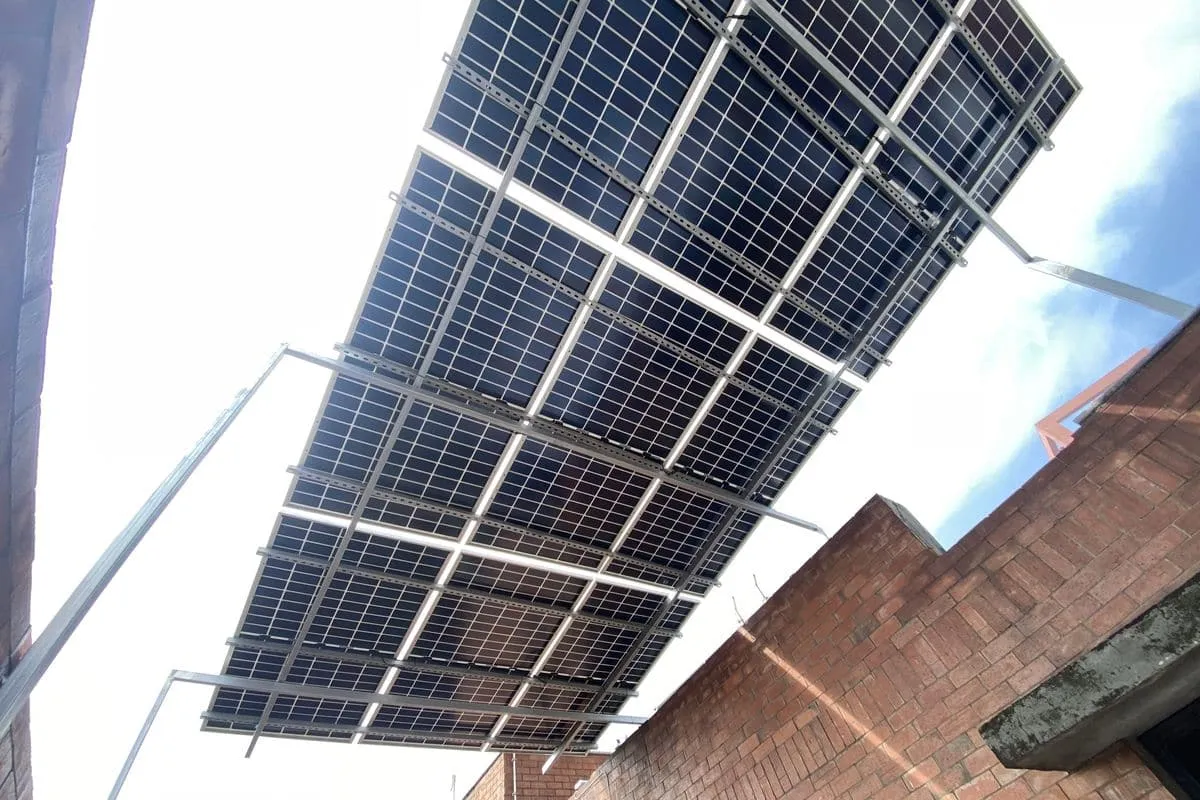
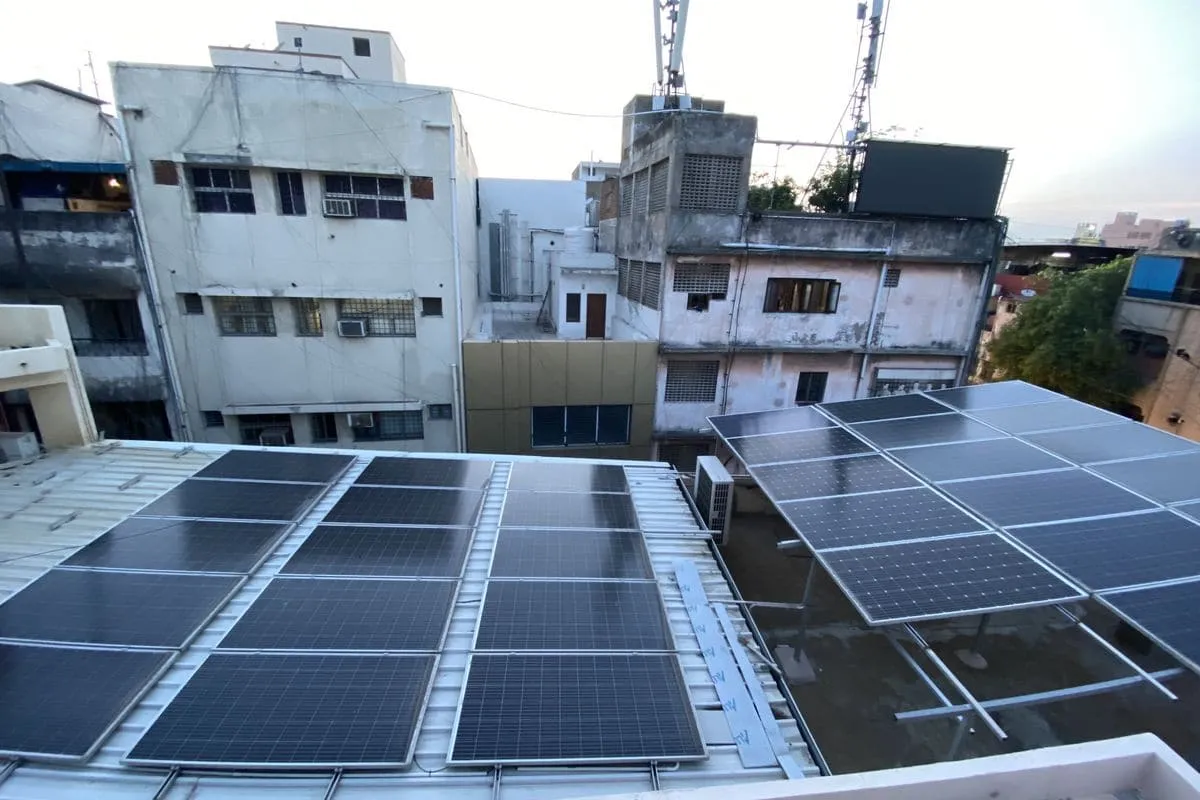
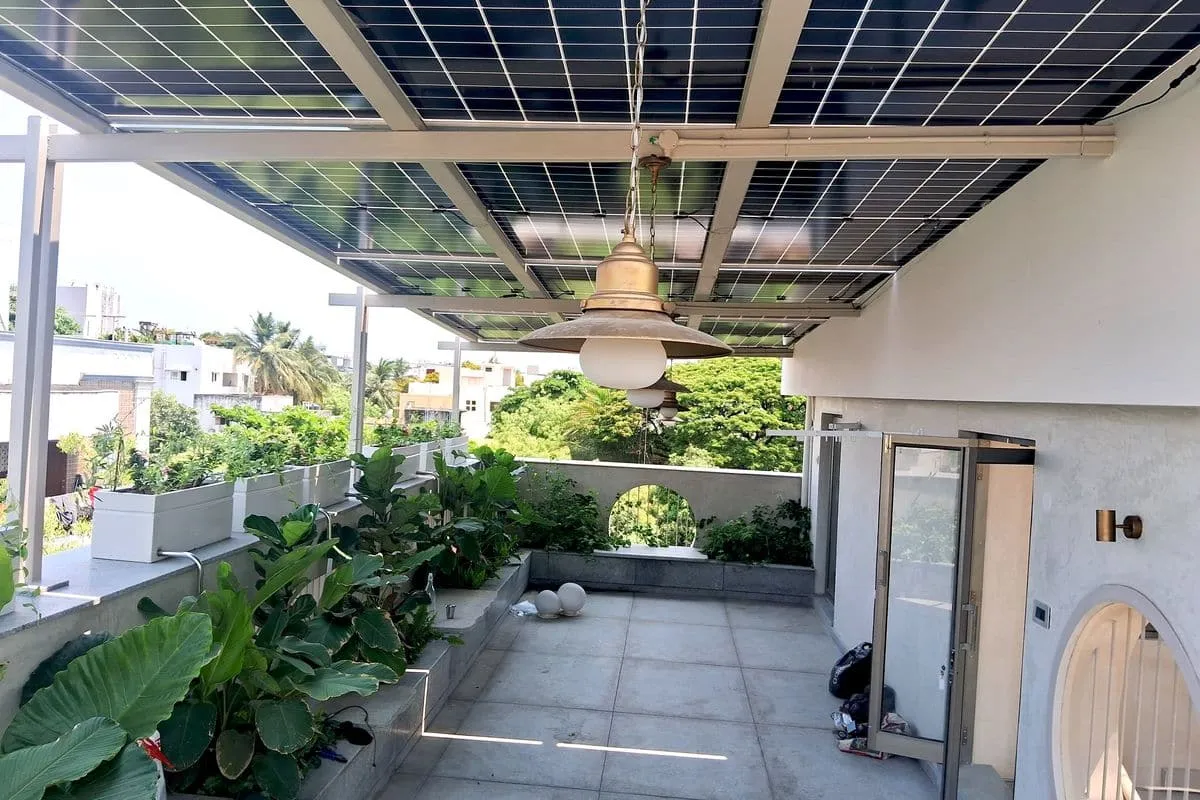
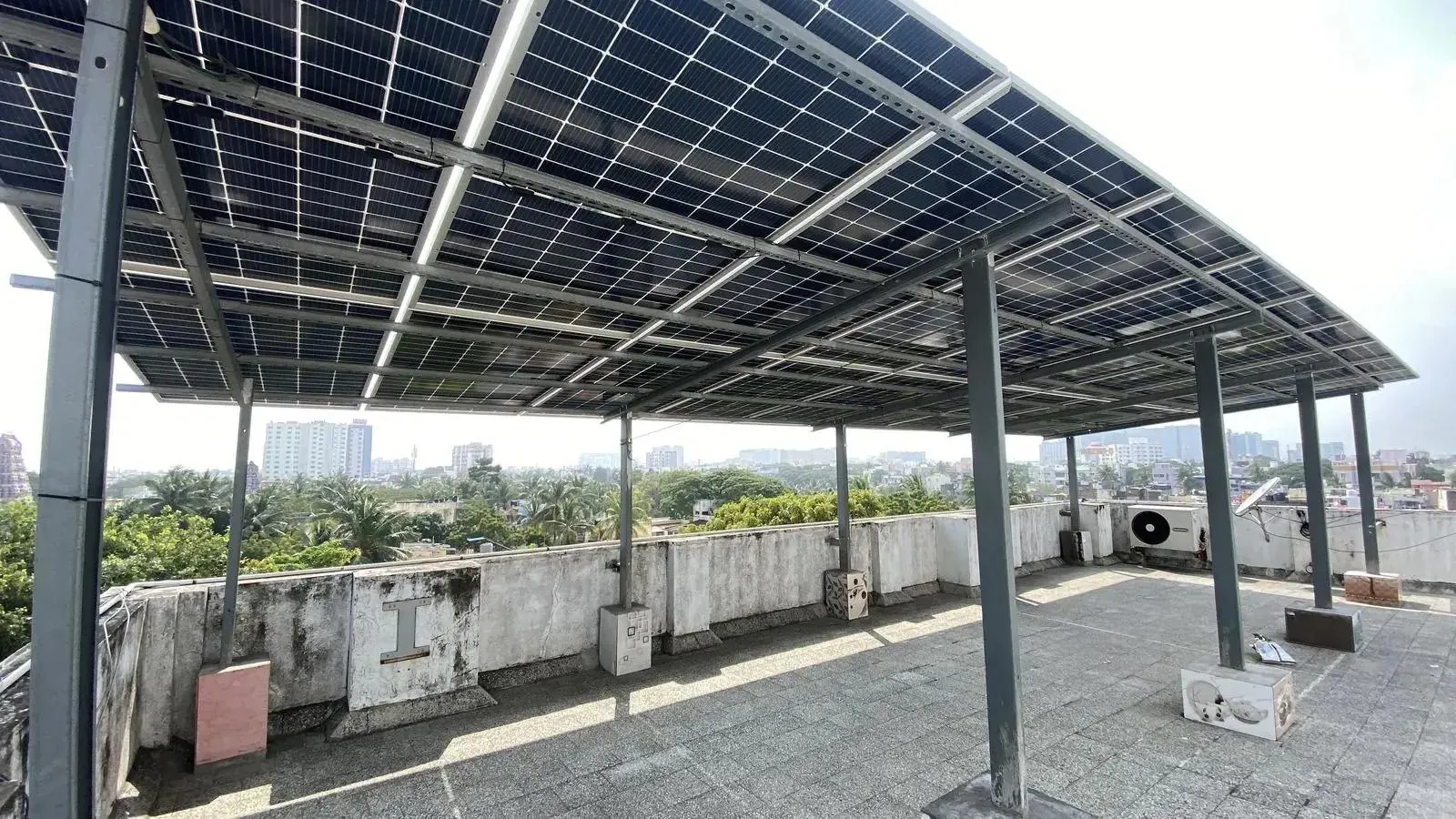
A solar system generates electricity whenever there is daylight. The property uses that electricity first, before anything is drawn from the grid. On most days there are hours when the system produces more than the building is using.
That surplus does not go to waste. With a net metering connection, it flows out through the meter into the grid, and the meter records every unit that leaves.
What happens on the bill
The meter tracks two directions: the units you import from the grid and the units you export to it. At billing time the two are set against each other, and exported units reduce what you pay for imported ones.
- Import
- Electricity drawn from the grid when the system is not covering the property's use.
- Export
- Surplus electricity sent out to the grid during the day.
- Net units
- Imports minus exports across the billing period, the figure the bill is based on.
- Settlement
- How the distribution company credits exports, in units or in value, under the applicable policy.
Why it shapes system size
Net metering is the reason a system is sized against how much electricity a property uses, not just how much roof is available. A system far larger than the property's consumption produces exports the policy may not reward well.
The exact rules, rates and limits depend on the distribution company and the policy in force when you apply. A site assessment confirms what applies to your connection before any sizing decision is made.