The mix behind the socket
Tamil Nadu's electricity comes from a blend: thermal stations that run around the clock, one of India's largest wind fleets, a fast-growing solar share, and steady contributions from hydro and nuclear plants. The blend shifts constantly as demand and weather move.
Wind is the state's signature. Through the monsoon months the turbine belts in the south and west produce heavily, and the grid absorbs a large share of renewable power. Outside the windy season, thermal generation carries more of the load.
What changes through the day
Solar generation peaks in the middle of the day and stops at night. Demand peaks in the evening, after the sun sets. The grid bridges that gap with thermal, hydro and purchased power, which is why evening electricity is the hardest to supply.
- Thermal
- Coal and gas stations that provide the steady base of supply.
- Wind
- Seasonal generation, strongest through the monsoon months.
- Solar
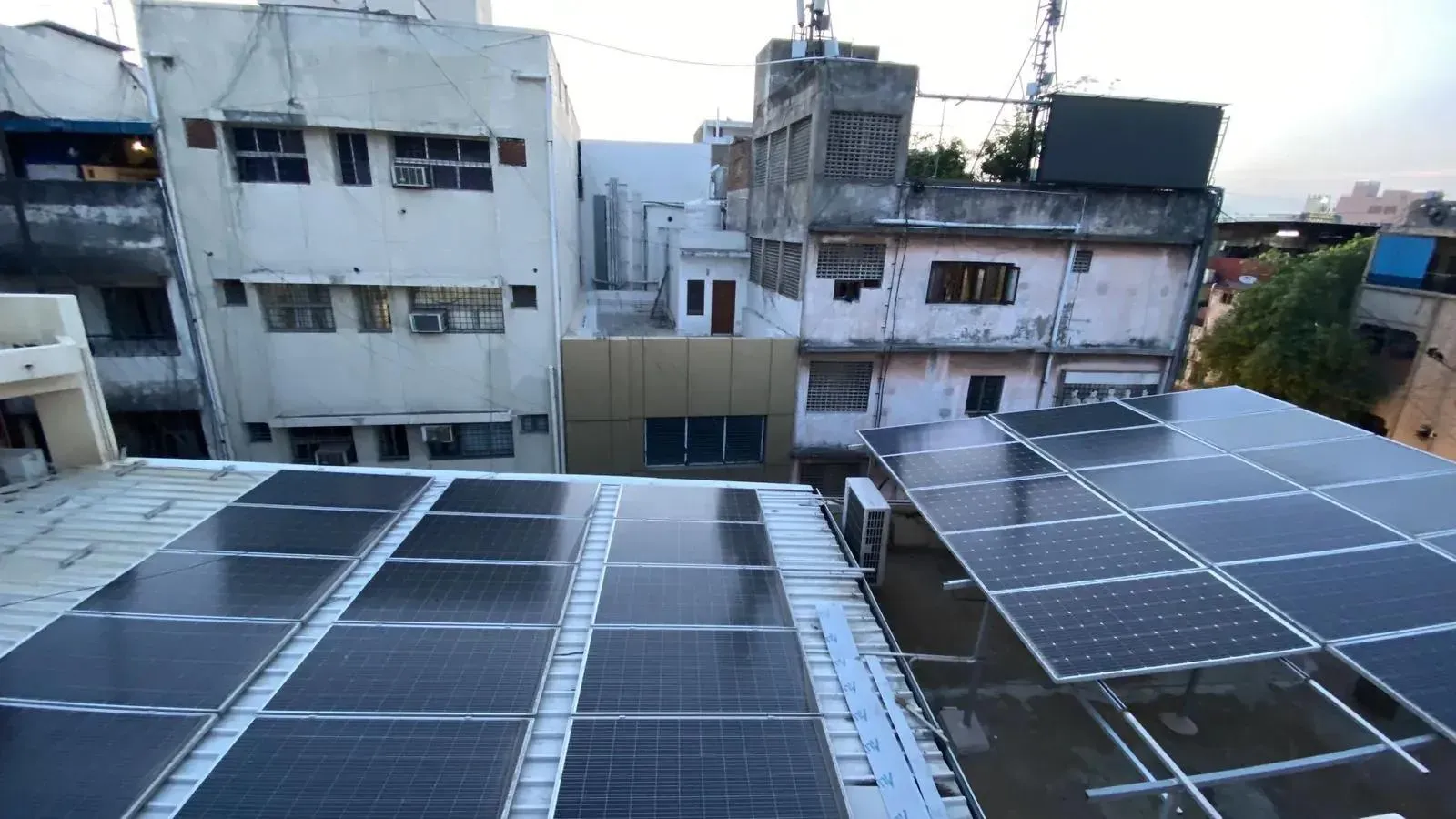
- Daytime generation from utility-scale parks and rooftops.
- Hydro and nuclear
- Smaller, steady contributions that support the base.
Why this matters for your roof
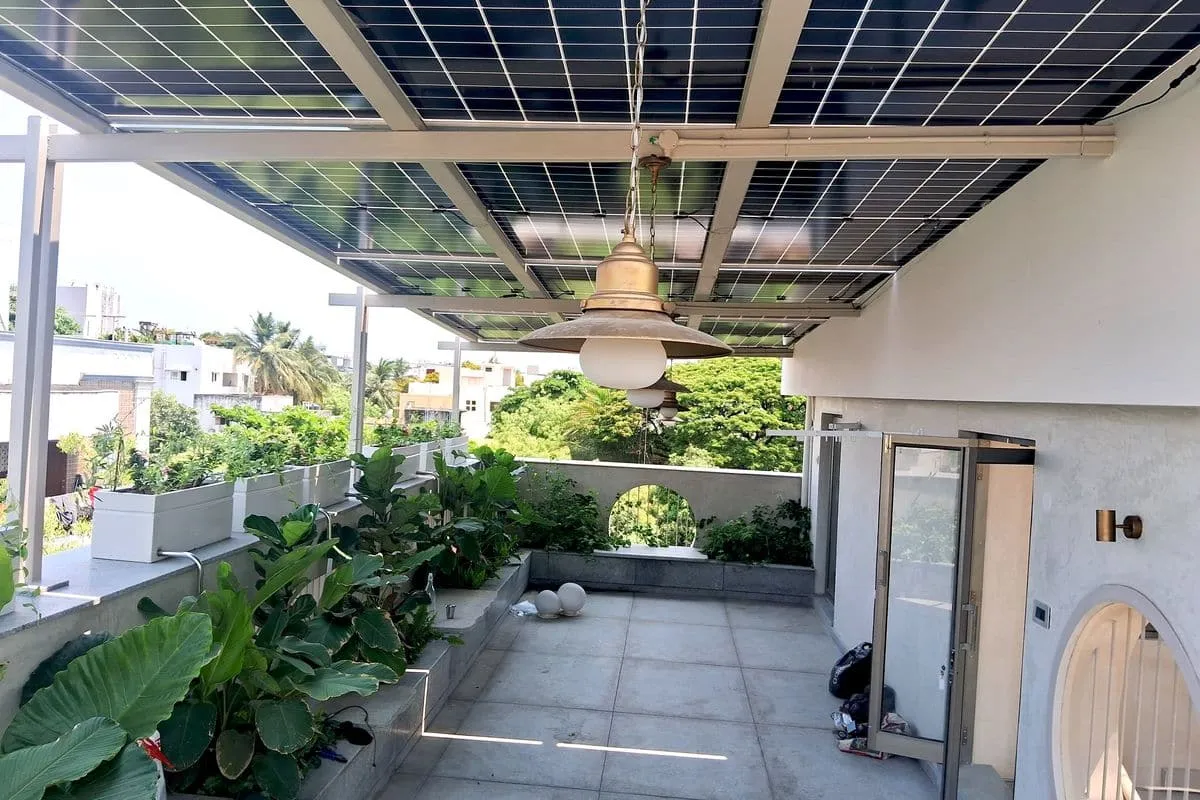
A rooftop system does not replace the grid; it changes your relationship with it. It produces exactly when the sun is strongest, reduces the daytime demand your property places on the network, and settles its surplus through net metering. The grid still carries your evenings.
Policy follows the same logic. How the distribution company treats your exports shapes the economics of a system, and it is confirmed during assessment rather than assumed.