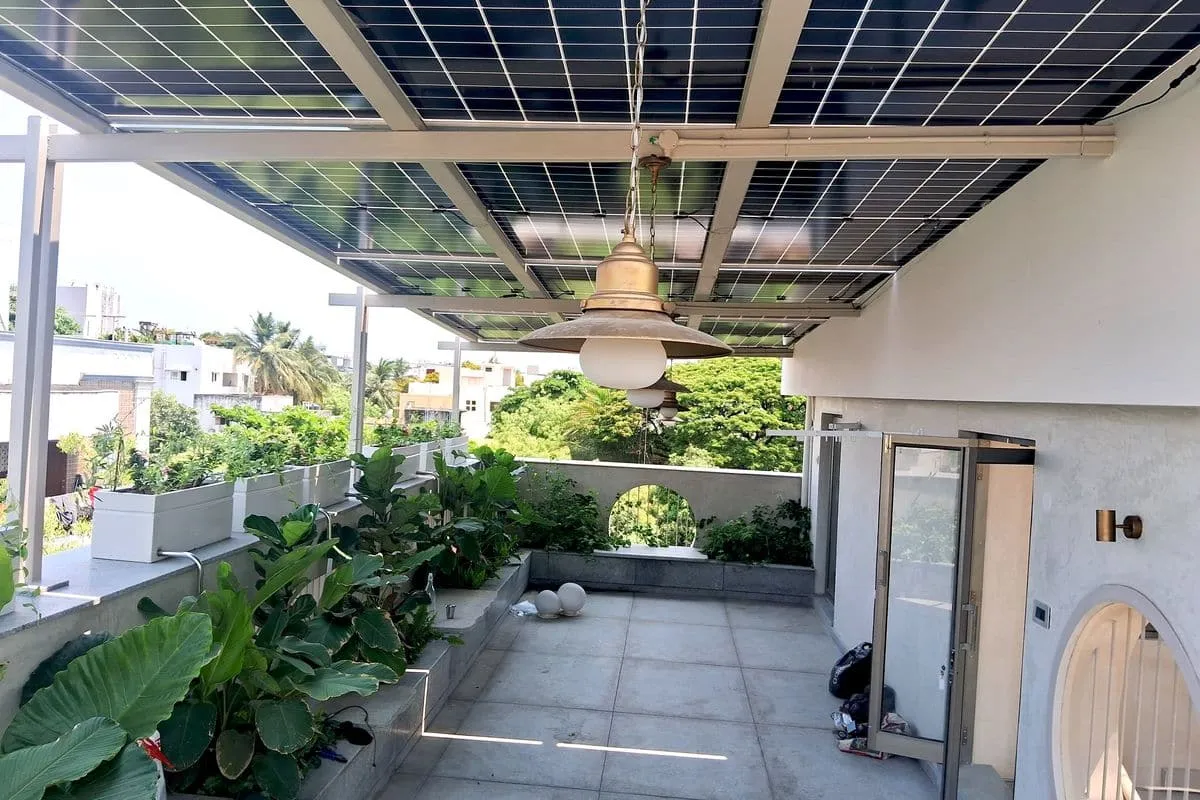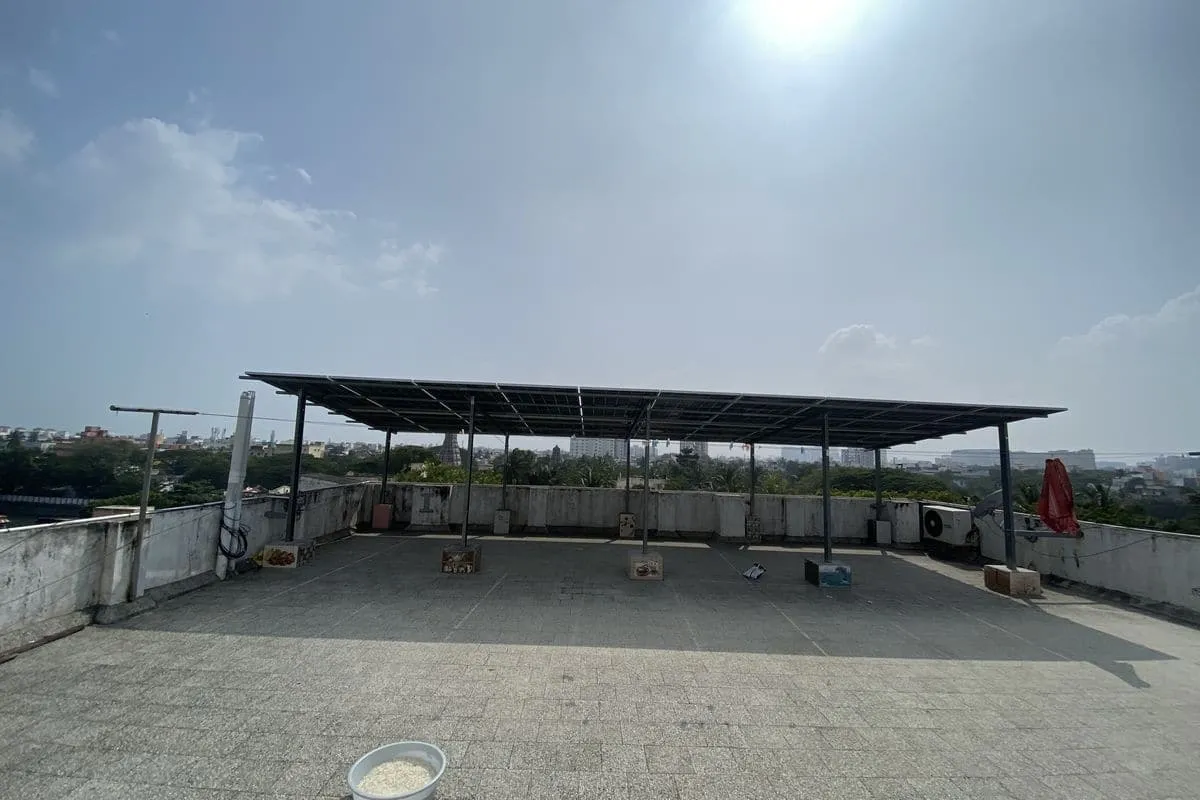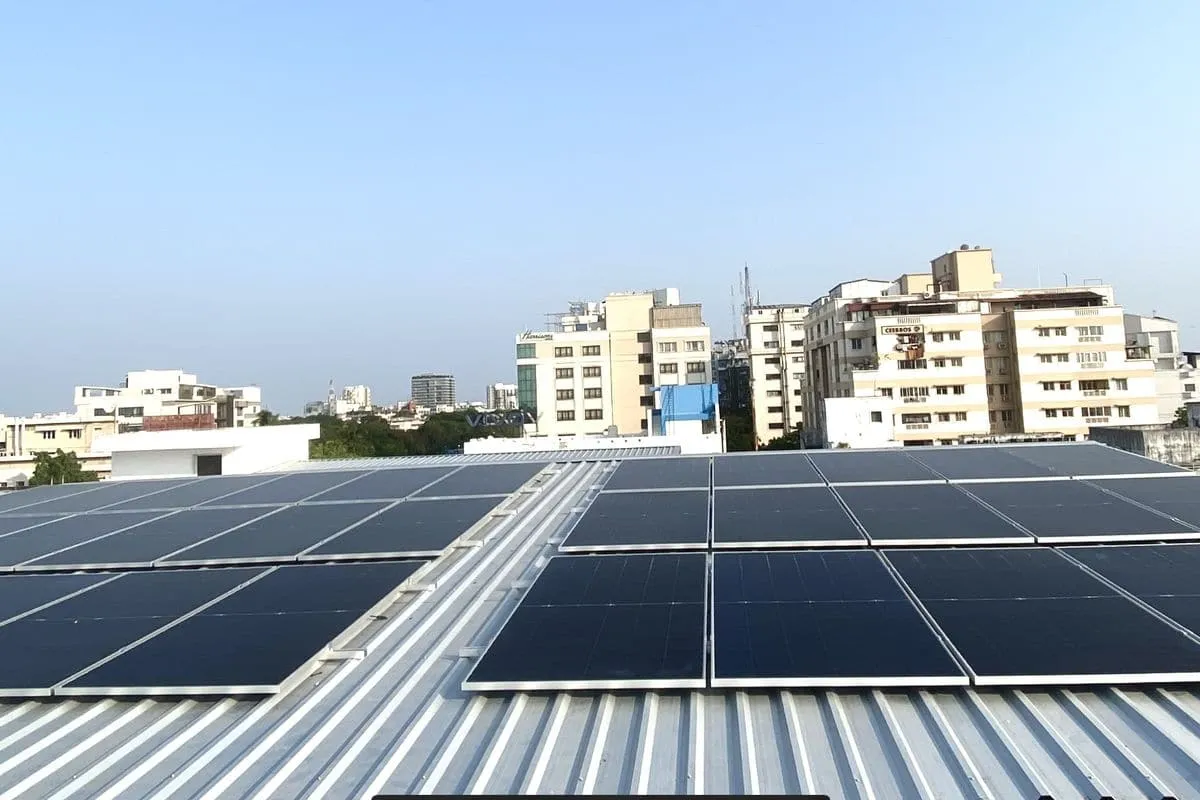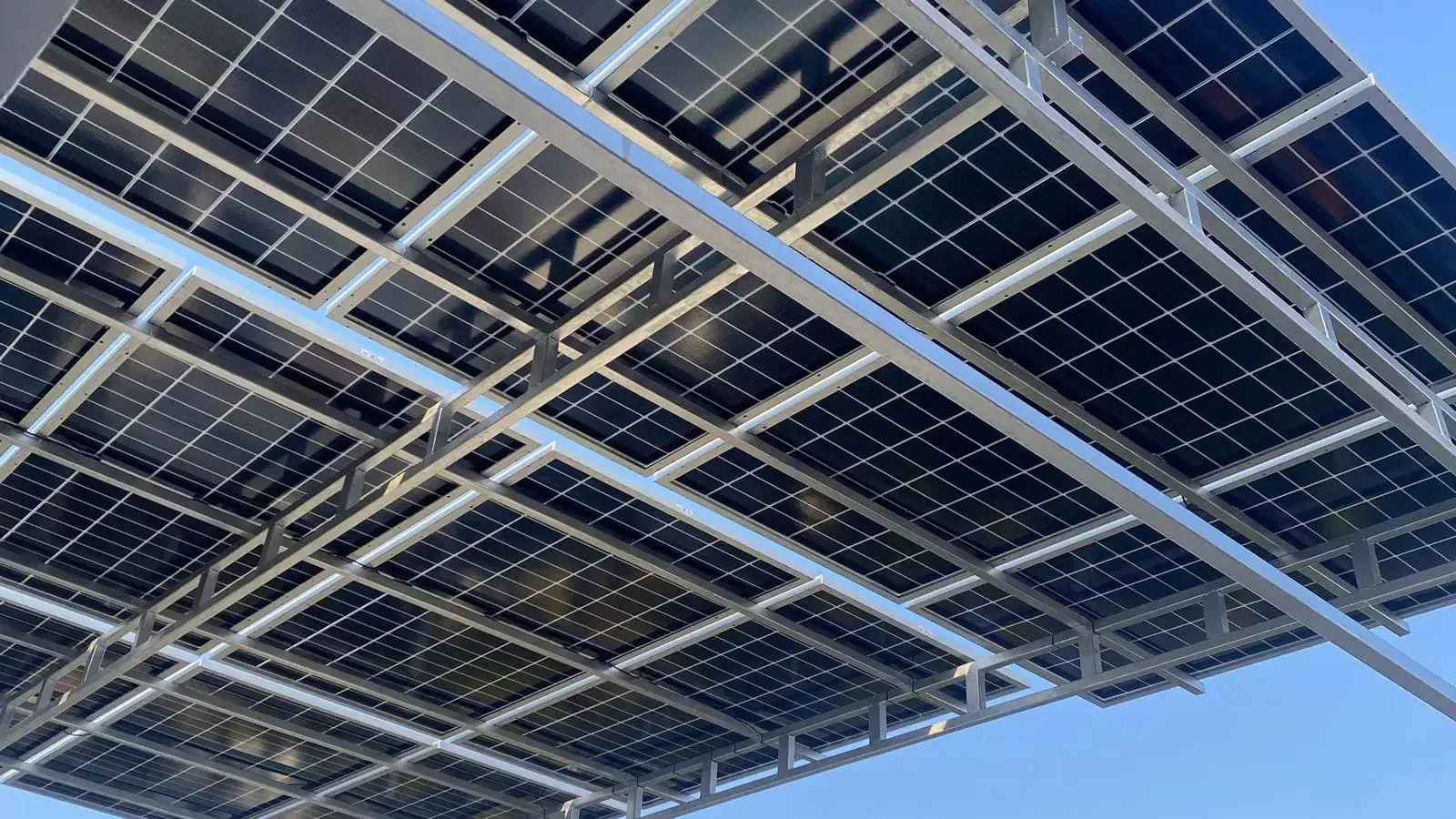
Both systems use sunlight to generate electricity. The difference is what happens to the electricity after your solar panels generate it.
An on-grid solar system works with the electricity grid to reduce your electricity bill. A hybrid solar system adds battery storage, allowing you to store solar energy and use it later.
So, which one makes more sense for a home in Tamil Nadu?
The answer depends on how much electricity you use, when you use it, how important power backup is, and how much you want to invest in your solar system.
The short version
- On-grid solar is mainly designed for savings. Your solar panels power your home during the day, while the grid supplies electricity when solar generation is unavailable.
- Hybrid solar adds battery storage. Excess solar energy can be stored and used later, including during a power cut when the system is designed for backup.
- On-grid costs less upfront because it does not require batteries.
- Hybrid costs more, but gives you more control over when you use the solar energy your system generates.
What is an on-grid solar system?
Think of an on-grid solar system as your home working alongside the electricity grid.
During the day, your solar panels generate electricity. Your home uses the solar power it needs first. If the system produces more electricity than your home is using, the surplus can be exported to the grid through the applicable metering arrangement.
When solar generation is not enough, such as at night or during periods of low sunlight, your home draws electricity from the grid.
This makes an on-grid solar system a practical choice when the main goal is to reduce electricity bills.
How it works
- Solar panels generate electricity during daylight hours.
- Your home uses the solar power being generated.
- Surplus electricity can flow to the grid through the applicable metering arrangement.
- The grid supplies the shortfall when your solar generation is not enough.
The biggest advantage is simplicity. With no battery, there are fewer major components, which generally means a lower initial investment and simpler maintenance. The attached reference similarly identifies no battery, lower upfront cost and simpler maintenance as key characteristics of on-grid systems.
There is one important limitation: a standard on-grid solar system does not provide power during a grid outage. The grid-connected inverter normally shuts down when the grid is unavailable.
What is a hybrid solar system?
A hybrid solar system combines solar panels, a hybrid inverter, battery storage and the electricity grid.
During the day, your solar panels can power your home while also charging the battery. When solar generation falls, stored energy can be used later.
The battery can also provide backup during a power cut, depending on the system design, inverter capacity and the loads connected to the backup supply.
How it works
- Solar powers your home during the day.
- The battery charges using available solar energy.
- Stored energy can power selected loads when solar generation falls.
- The grid provides additional power when solar and battery energy are not sufficient.
This gives a hybrid solar system more flexibility than a standard on-grid setup. The attached reference describes the same core difference: solar can charge the battery during the day, while stored energy can be used in the evening or during outages.
The trade-off is cost. Batteries increase the initial investment and add another component that needs to be considered when planning the system.
On-grid vs hybrid solar: what is the difference?
| Feature | On-grid solar | Hybrid solar |
|---|---|---|
| Main purpose | Reduce electricity bills | Reduce bills + provide backup |
| Battery | No | Yes |
| Grid connection | Yes | Yes |
| Power during outages | No | Yes, for essential loads |
| Use stored solar at night | No | Yes |
| Initial cost | Lower | Higher |
| System complexity | Simpler | More components |
| Maintenance | Lower | Higher due to battery |
| Energy storage | No | Yes |
| Best suited for | Bill savings | Bill savings + backup |
The biggest difference is therefore not the solar panels themselves. It is battery storage.
An on-grid system uses the grid as the source of electricity when solar is unavailable. A hybrid system can store some of the solar energy generated during the day and make it available later.
Which system makes more sense in Tamil Nadu?
The right choice starts with how your home uses electricity.
If most of your electricity consumption happens during the day, an on-grid system can be a straightforward way to reduce your electricity bill. This can be especially useful for homes using air conditioners, refrigerators, pumps and other appliances during daylight hours.
If your electricity supply is reliable and power backup is not a major concern, there may be little reason to add the cost of a battery.
A hybrid solar system becomes more attractive when backup is important.
If you work from home, have essential appliances that need to stay powered, or regularly experience power interruptions, battery storage can provide an additional layer of comfort.
It can also make sense when a large part of your electricity consumption happens in the evening. Instead of relying entirely on the grid after sunset, stored solar energy can be used for selected loads.
Your roof size is only one part of the decision. A good solar design should also consider your electricity consumption, daytime and evening usage, backup requirements, sanctioned load and available budget.
On-grid or hybrid: which one should you choose?
Choose on-grid solar if:
- Your main goal is reducing your electricity bill.
- Your grid supply is reasonably reliable.
- Most of your solar usage happens during the day.
- You want a lower initial investment.
- You do not need battery backup.
Choose hybrid solar if:
- Power backup is important to you.
- You want to store solar energy for later use.
- A significant part of your electricity consumption happens after sunset.
- You want selected appliances to continue working during power cuts.
- You are comfortable with a higher initial investment.
The attached reference uses a similar decision framework: on-grid is positioned for reliable grid supply, bill savings and lower initial cost, while hybrid is positioned for power cuts, night-time usage and higher flexibility.
So, which is better?
- There is no single answer to on-grid vs hybrid solar.
- If your priority is electricity bill savings, an on-grid solar system is usually the simpler place to start.
- If your priority is bill savings plus power backup, a hybrid solar system gives you more flexibility.
- The important thing is to size the system around your actual electricity use rather than simply choosing the largest solar plant or battery you can fit on the roof.
- For homeowners in Tamil Nadu, the best solar system is the one that matches your electricity consumption, usage pattern, backup needs and budget.
Frequently asked questions
- Can an on-grid solar system work during a power cut?A standard on-grid solar system is not designed to provide backup when the electricity grid is down. A hybrid system with suitable battery backup can provide power to selected loads.
- Is hybrid solar better than on-grid solar?Not necessarily. On-grid is generally better suited to homeowners focused primarily on electricity bill savings. Hybrid is more suitable when battery storage and backup are also important.
- Can hybrid solar reduce my electricity bill?Yes. Solar power can reduce the amount of electricity you need to draw from the grid. A battery can also allow stored solar energy to be used later, depending on the system design.
- Can I add a battery to an existing on-grid solar system?It depends on the existing inverter and system architecture. Some systems can be upgraded, while others may require changes to the inverter and associated equipment.
- How do I choose the right solar system for my home?Start with your recent electricity bills and understand when your home uses the most electricity. Then consider your backup requirements, roof space and budget. A site assessment can help determine the appropriate solar and battery capacity.