Battery storage for large facilities.
A battery energy storage system holds electricity when it is cheap or abundant and releases it when demand and tariffs peak. For a large facility, that timing is worth money.
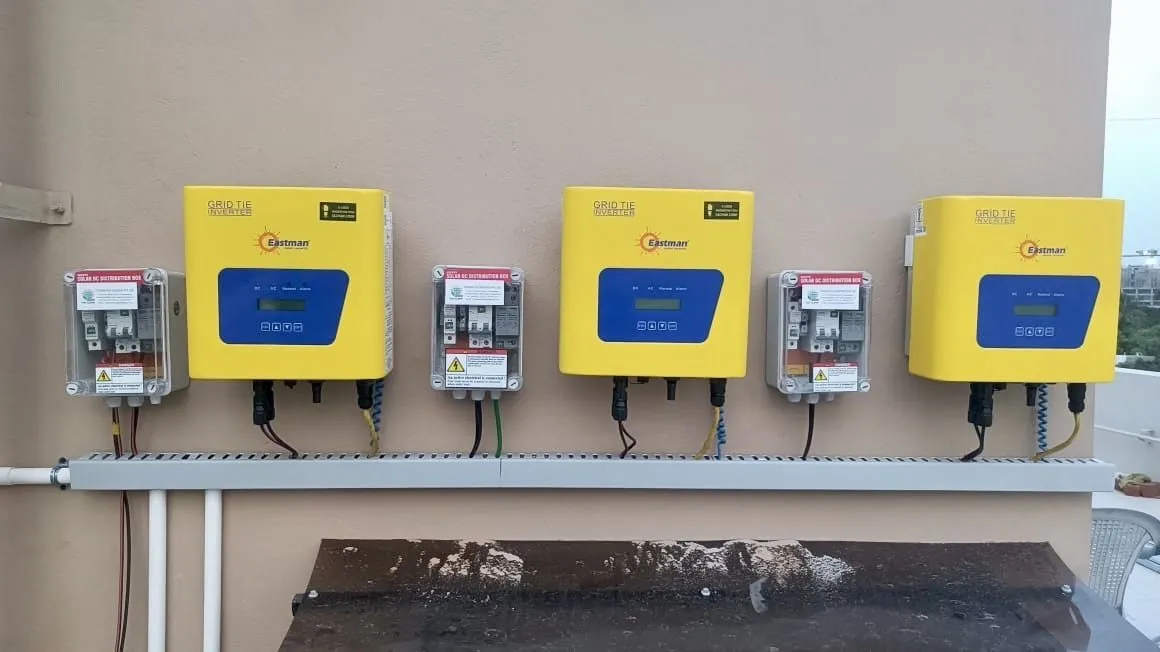
The requirement
Electricity demand in a manufacturing plant is rarely flat. Shift changes, evening operations and sudden production peaks create short periods of high draw, and those periods set the Maximum Demand charges on the bill. Units consumed during peak tariff hours cost more again.
Rooftop solar helps while the sun is up, then the facility returns to grid power. Surplus daytime generation is often exported at rates well below what the same unit costs to buy back in the evening. Adding more panels does not change any of that, because the gap is one of timing, not capacity.
The WES solution
A Battery Energy Storage System, or BESS, connects directly to the facility's electrical network and works as a buffer between generation and demand. It charges when energy is cheap or surplus and discharges when energy is expensive or demand spikes.
The control software learns the plant's consumption pattern and schedules charging and discharging around it, so stored energy is spent where it earns the most. Performance and battery health stay visible remotely, on web and mobile.
Smart energy management
The system can combine automated charge and discharge schedules with load forecasting, real-time analytics and remote monitoring across supported mobile and web platforms. Control logic is tuned to the plant's operating pattern rather than treating the battery as a passive backup asset.
Where a centralized BESS fits
This approach is suited to manufacturing plants, industrial estates, food and pharmaceutical facilities, textile and engineering operations, IT parks, data centres, hospitals, logistics hubs, airports, commercial campuses and other multi-shift sites with fluctuating loads or significant solar generation.
- Peak shaving
- During demand spikes the battery supplies part of the load, so the billed Maximum Demand stays lower.
- Load shifting
- The battery charges on surplus solar or low tariffs and discharges through peak tariff hours.
- Solar self-consumption
- Daytime surplus is stored and used on site instead of being exported at lower rates.
- Power quality
- The battery smooths sudden load changes, rides through short grid disturbances and cuts diesel generator runtime.
Project results
The system is designed to shift stored energy into higher-value operating periods, reduce short demand peaks, improve solar self-consumption and make energy performance visible to the facility team. It becomes an active energy-management asset rather than a battery reserved only for outages.
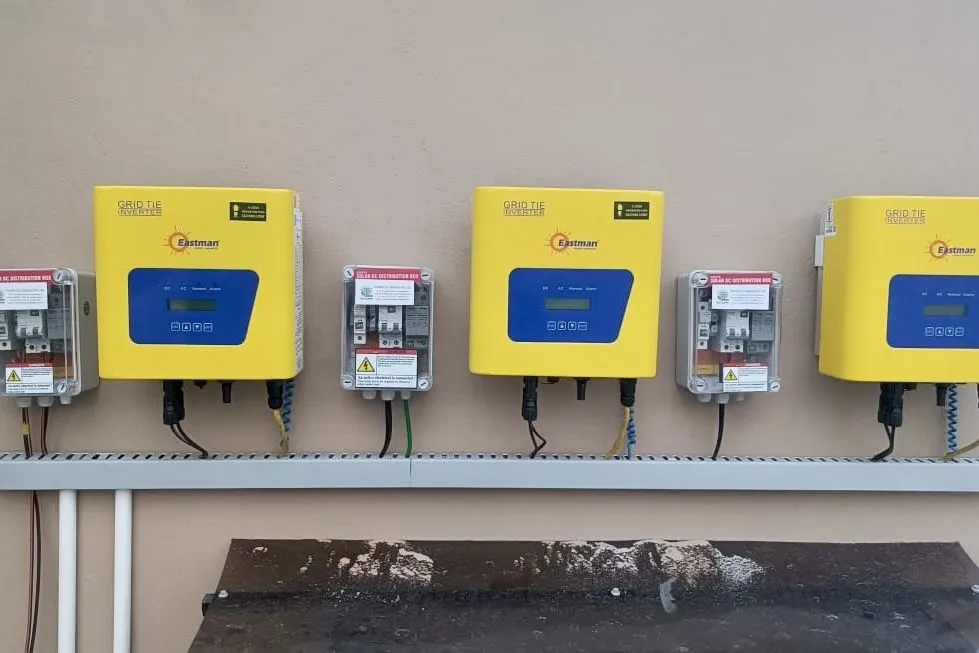
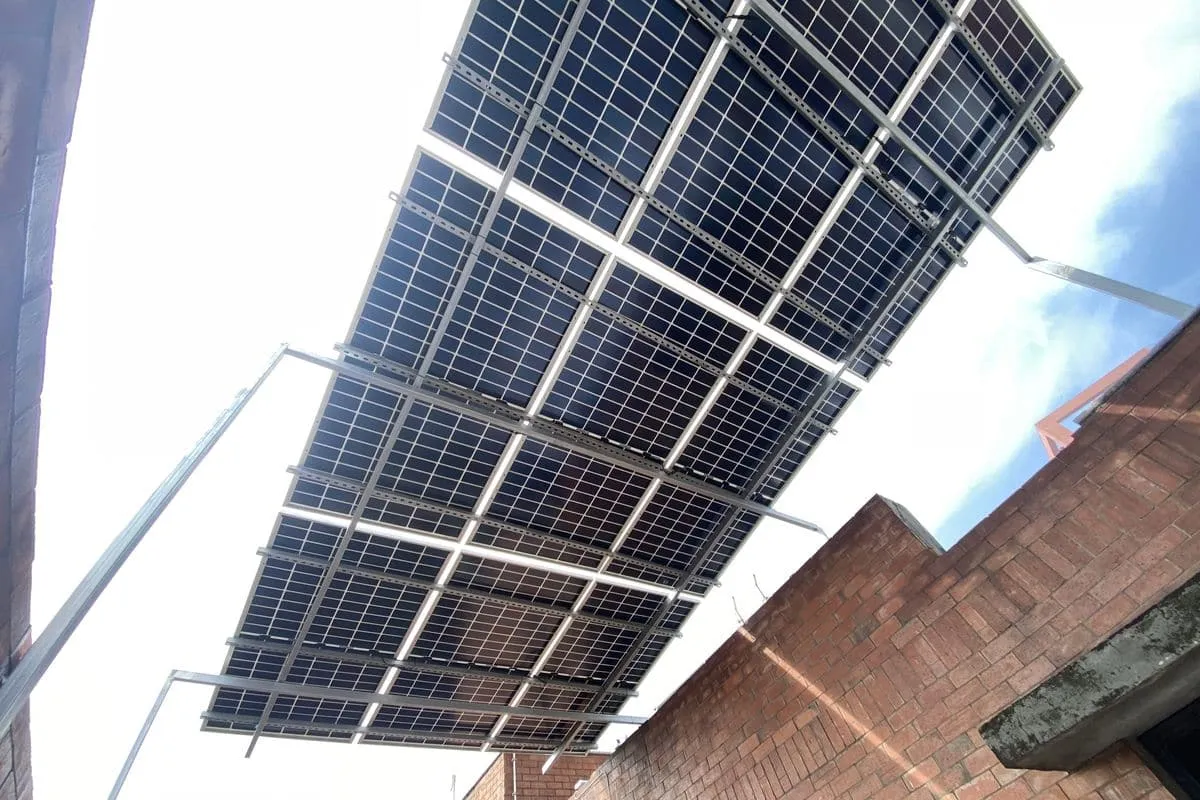
Project gallery
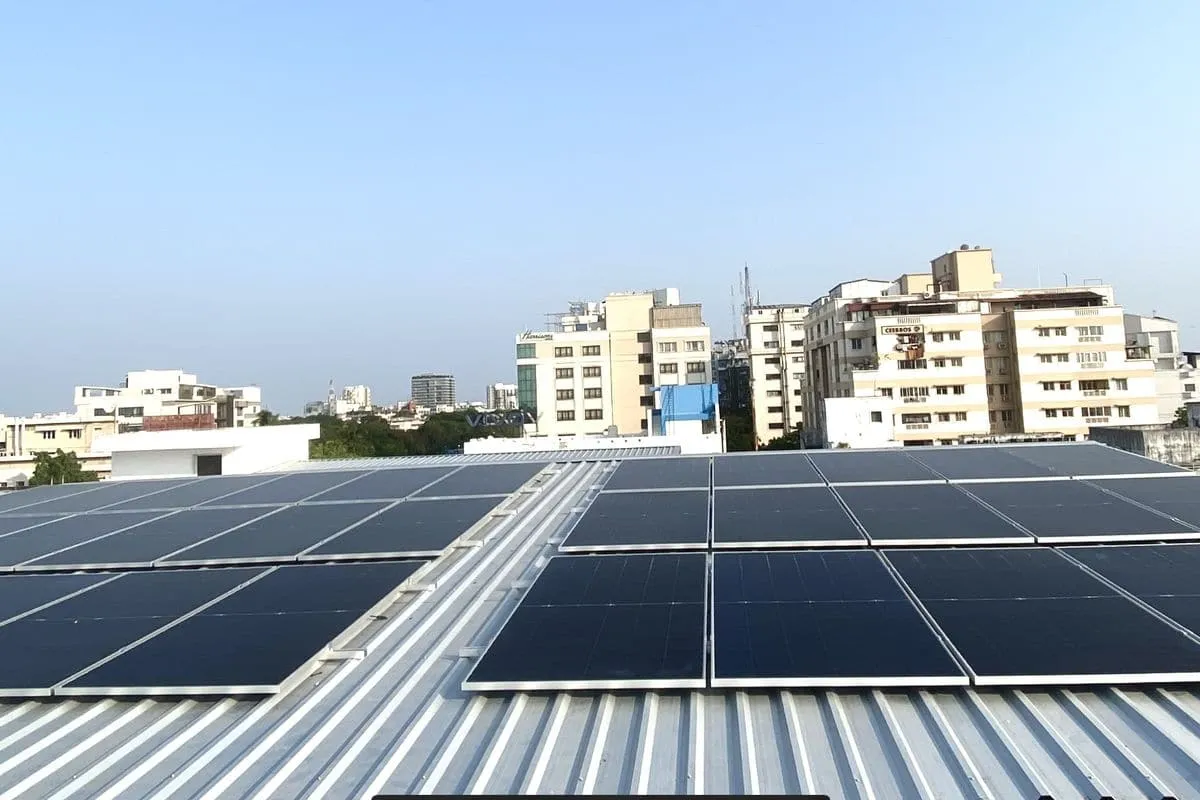
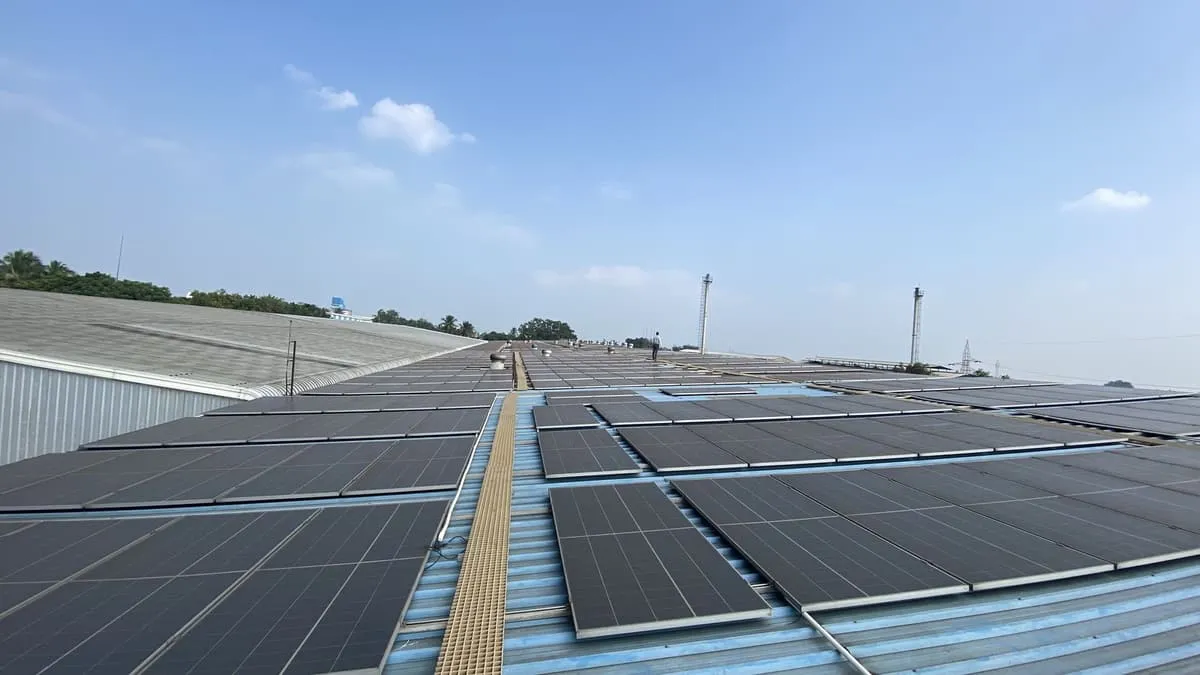
A closer view of the storage equipment, wider solar system and installation context behind the centralized BESS approach.
Keep reading
Street lighting on stored solar
How off-grid solar and lithium clusters carry campus lighting through the night.
View case study: Street lighting on stored solarOn-grid vs hybrid solar: which is right for your home?
Compare savings, battery storage, power backup and investment before choosing a home solar system.
Read guide: On-grid vs hybrid solar: which is right for your home?
Residential and commercial solutions
How WES Energy approaches rooftop solar for homes, offices and commercial buildings.
View: Residential and commercial solutions
Storage is sized from your load profile.
Share recent bills and operating hours and the WES Energy team will evaluate peak shaving, load shifting and payback for your facility.